The Noise Index used here combines frequency, duration, and loudness (see below) of all noise events for the selected aircraft type and time period into a relatable number:Equivalent Daily Airliner Overflights. This represents the total noise from all aircraft events (factoring in how loud they were and how long they lasted) as if they were an equivalent number of commercial airliners passing overhead near the airport. A noise index of 10 can be thought of as the same average noise as 10 daily airliner flights over the area.
There are two versions of the index:
The number of noise events per week (or per day) is the total number of noise events recorded in the selected time period for the selected aircraft type, divided by the number of weeks (or days) in the period. A noise event is a detected rise in the (A-weighted) decibel level associated with an individual aircraft passing overhead or operating on the ground at the airport. (Note that fighter jet noise events often involve multiple formation aircraft.) To qualify as a noise event here, the peak decibel level (see below) for the event must exceed 65dBA (55dBA at night), and rise at least 10dB above the ambient background noise level from traffic and other sources before and after the event.
Percent of days with noise eventsThe percent of days with noise events is the percentage of days in the selected time period that had at least one noise event for the selected aircraft type.
Minutes of noise per weekThe average minutes of noise per week is the sum of the durations of all aircraft noise events recorded in the selected time period for the selected aircraft type, divided by the number of weeks in the period. Minutes (or seconds) of noise per week at 70/80/90/100+ dBA is calculated similarly, but restricted to time when the decibel level during the event was at or above the associated decibel threshold.
Seconds of noise per week at 90+/100+ dBAThe average seconds of noise per week at 90+ or 100+ dBA is calculated as the total seconds of noise above the associated decibel threshold for the selected aircraft type in the selected time period, divided by the number of weeks in the period.
Peak decibel level (Lmax)Peak decibel level is the maximum one-second dBA reading for an individual noise event. Available statistics include the maximum peak decibel level recorded among all noise events for the selected aircraft type in the selected time period, along with the 50th, 90th and 95th percentiles. For example, the 95th percentile of Lmax means that 95 percent of noise events in the time period had an Lmax level below the shown value and 5 percent had an Lmax at or above the value. The 50th percentile (median) can be thought of as the typical Lmax value.
Peak loudnessPeak "loudness" is another way to measure the peak noise level produced during a noise event. Peak loudness compares the peak decibel level of the event to the decibel level from ambient background noise before and after the event, and applies a general rule of thumb that perceived loudness doubles every 10 decibels. A noise event with a peak decibel level of 100dBA at a time when the ambient background noise is 50dBA will thus have a peak loudness of 25 = 32 times louder than the background noise level. As with Peak decibel level (see above) available statistics include the maximum, 95th, 90th, and 50th percentiles.
Event Noise IndexThe Event Noise Index combines the duration and loudness of individual noise events for the selected aircraft type in the selected period to that of a typical airliner passing overhead near the airport. An event with a noise index of 1 has the same total noise as a single airliner overflight. As with Peak decibel level and loudness (see above) available statistics include the maximum, 95th, 90th, and 50th percentiles.
Equivalent continuous sound level (Leq)Equivalent continuous sound level is a measure of the average acoustic energy over a period of time. Acoustic energy is the magnitude of the fluctuations in air-pressure due to sound over time: each 10dB increase in sound level corresponds to a tenfold increase in acoustic energy. Leq is the constant sound level that would contain the same acoustic energy as all of the noise events in the selected time period.
Day-Night average sound level (DNL)Day-night average sound level is similar to Leq, except that nighttime noise (between 10PM and 7AM) is given an artificial 10dB penalty (meaning 10 times the acoustic energy) to account for people's greater sensitivity to nighttime noise.
Aircraft-type % of noise index / events / minutes / DNLThese statistics show the percent of the total noise index, noise events, minutes of noise, or DNL for the selected time period that are attributable to the selected aircraft type. For example, if the "Aircraft-type % of Overall Noise Index" statistic for fighter jets is 20%, that means that fighter jets account for 20% of the total noise index for all aircraft types in the selected time period.
Data recoveryThis is the percent of the selected time period with data from the noise meter. If the meter was not deployed for the entire period, it is the percent of the in-service period with data. (The in-service period for each meter can be found by hovering over the meter icon on the map.)
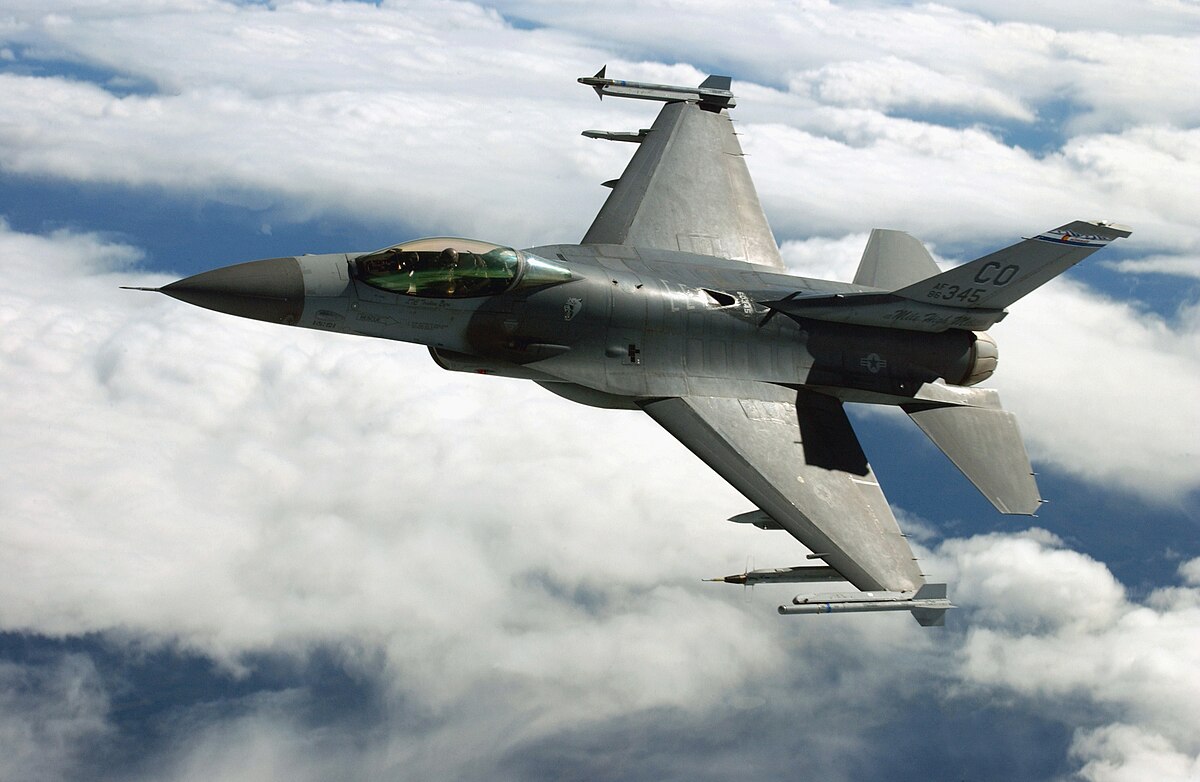
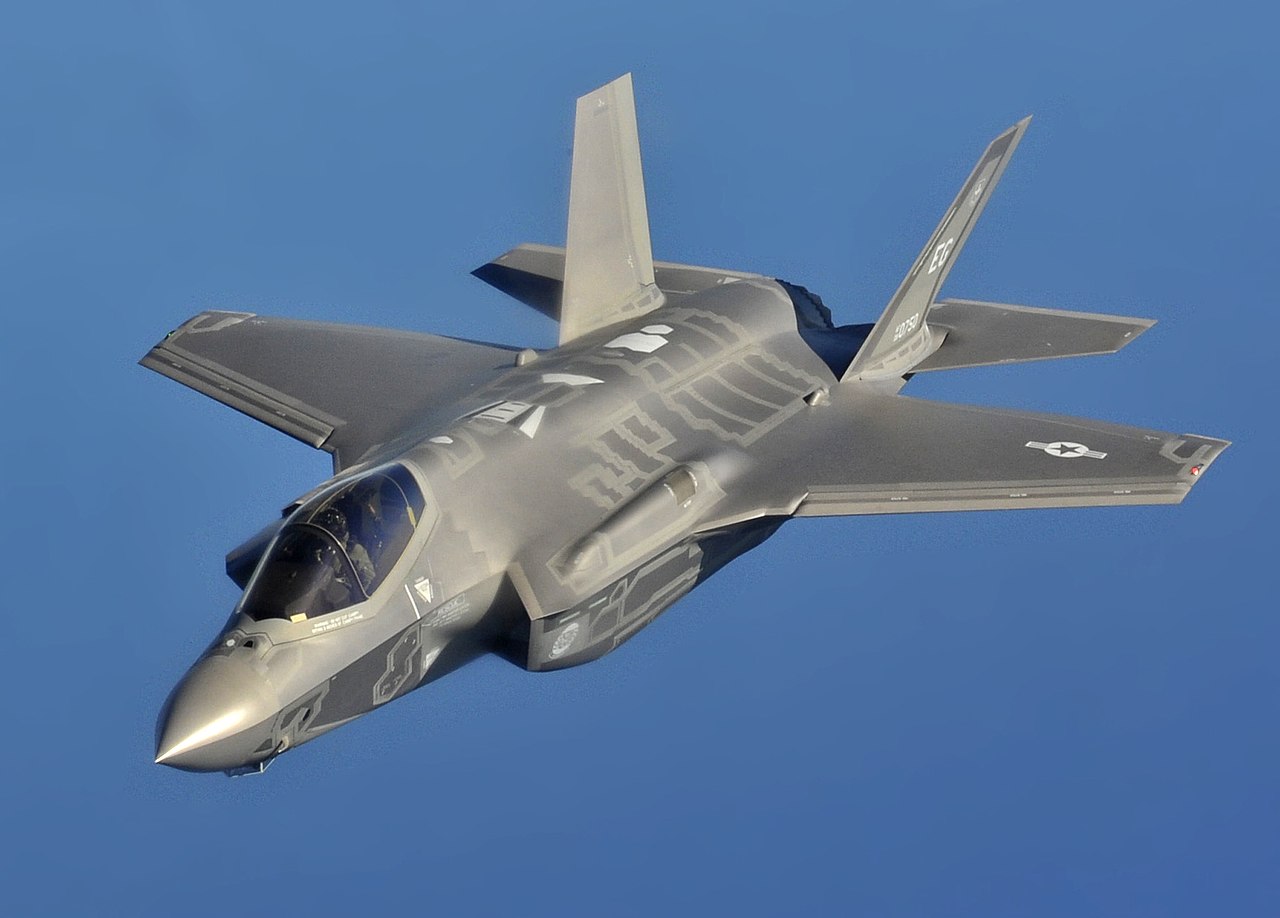
Military fighter jets include the current F-35A and prior F-16C fighters deployed by the local 115th Fighter Wing of the Wisconsin Air National Guard, as well as occasional itinerant fighter jets such as T-38 and F-18 fighters that are based elsewhere.
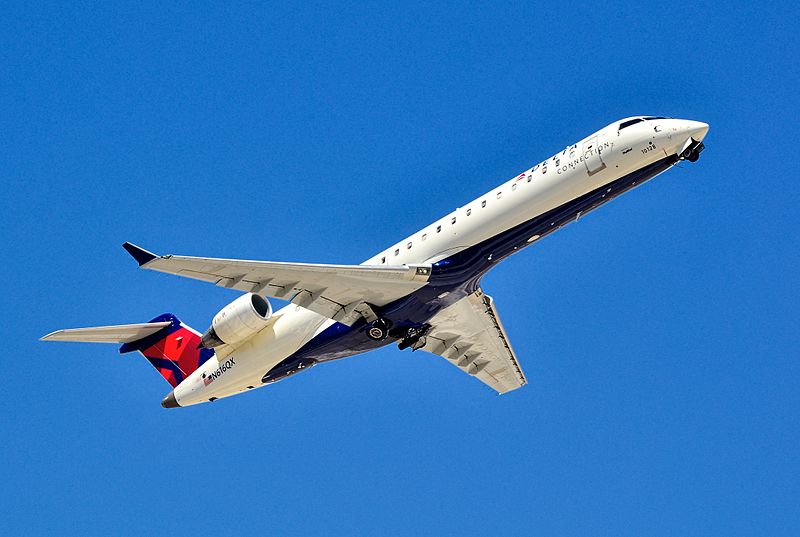
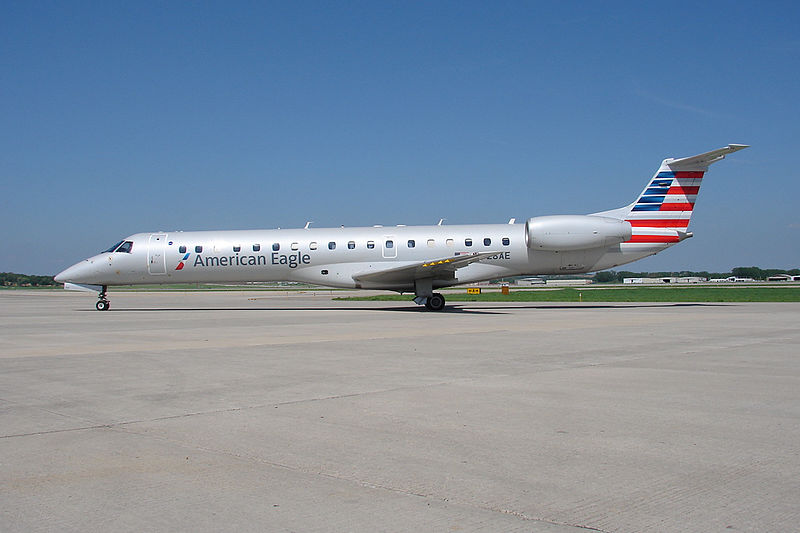
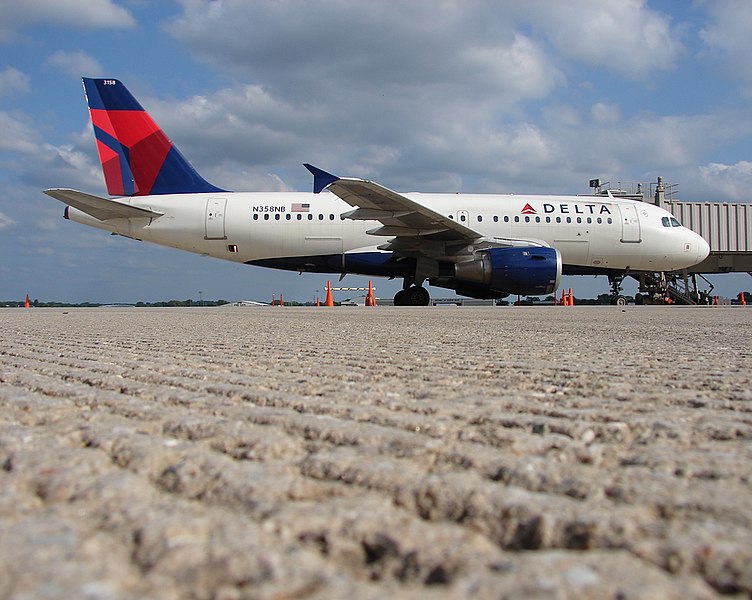
Large jet aircraft are defined here as turbo-fan powered aircraft with a maximum gross takeoff weight of at 20,000 pounds or more. This category includes commercial airliners serving the Dane County Regional Airport, as well as some larger general-aviation jets.
Small jet aircraft include turbo-fan powered aircraft with a maximum gross takeoff weight of less than 20,000 pounds. These include business jets as well as some smaller commercial aircraft serving the DCRA.
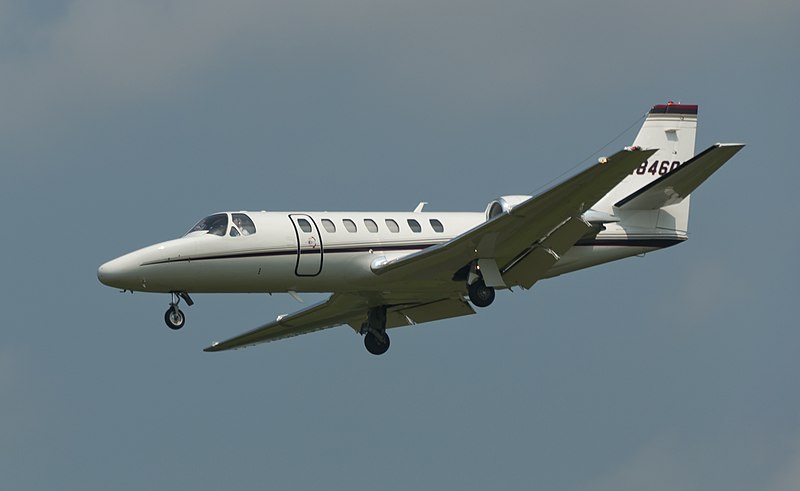
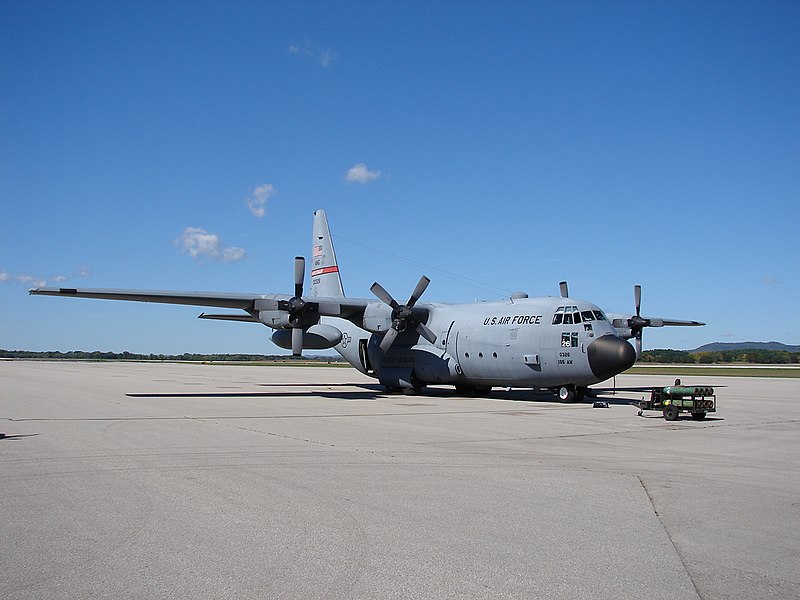
Large propellor-driven aircraft include propellor aircraft with a maximum gross takeoff weight of at least 12,500 pounds or having seating for 15 or more people. This category includes prop-driven commercial aircraft, some larger general-aviation aircraft and occasional itinerant military aircraft.
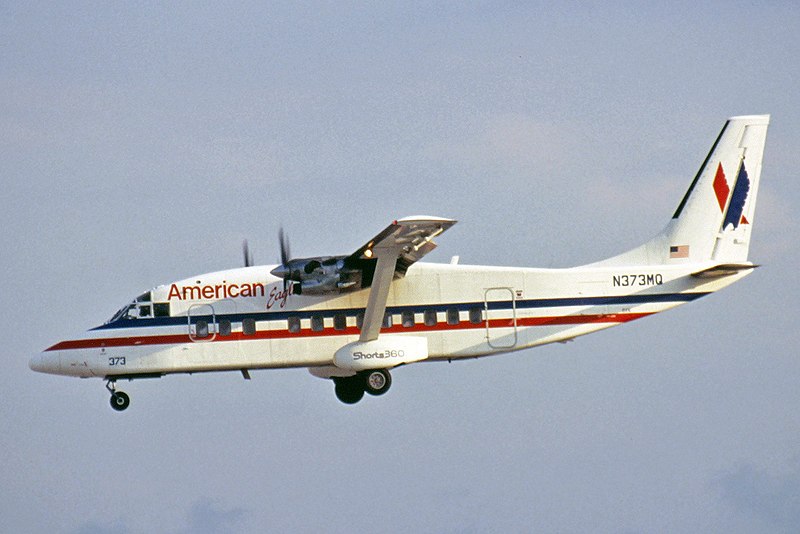
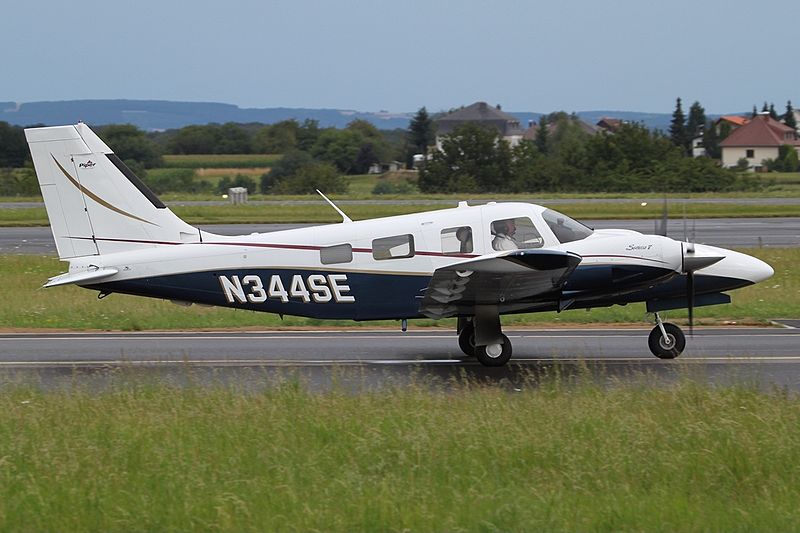
Small propellor-driven aircraft include single-engine and twin-engine propellor aircraft with a maximum gross takeoff weight of 12,500 pounds or less and fewer than 15 seats. These are almost entirely general-aviation aircraft.
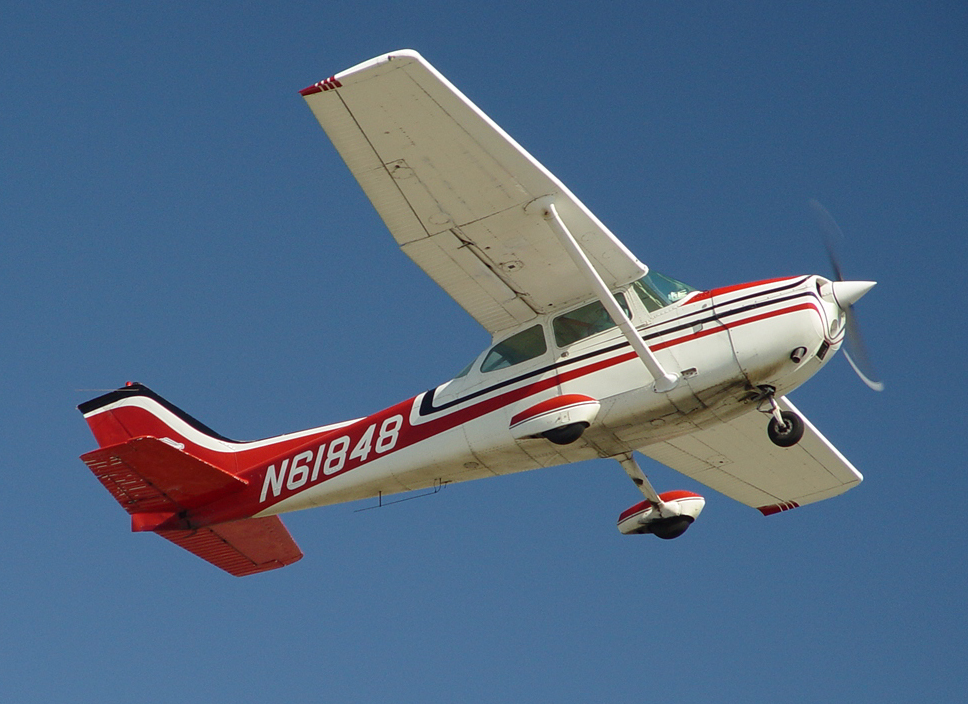
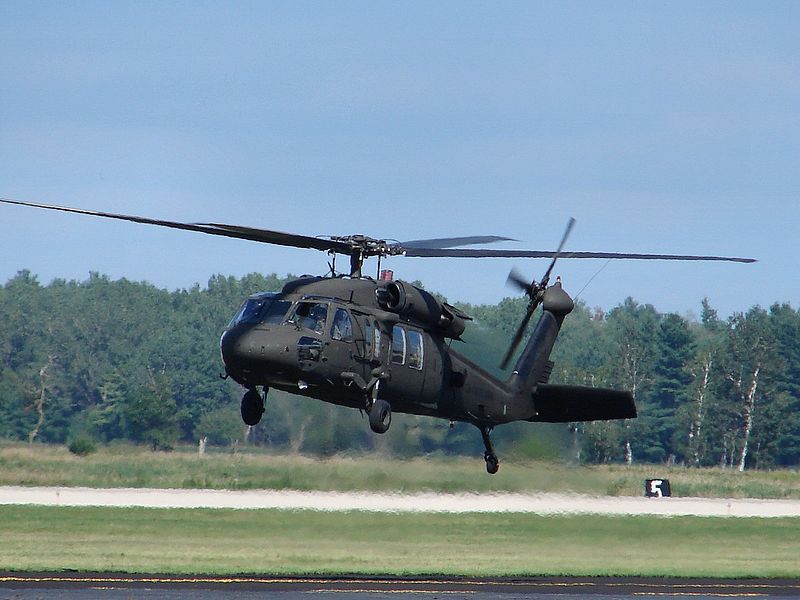
Helicopters are rotary-wing aircraft, including civilian Med Flight helicopters operating in the Madison area, as well as fleet of UH-60 Blackhawk helicopters deployed by the locally-based Wisconsin Army National Guard's 1st Battalion, 147th Aviation Regiment.
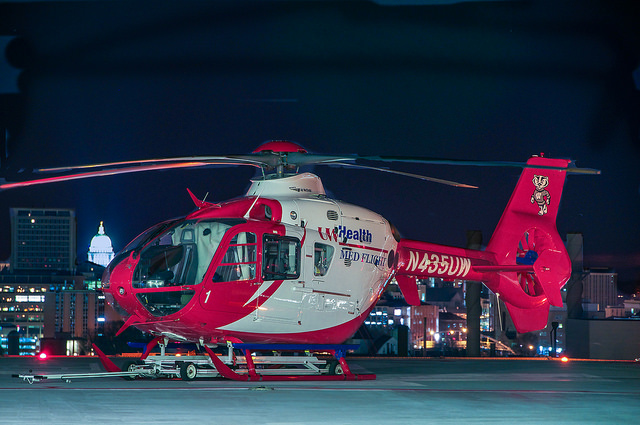
These are uncommon aircraft types such as ultralights or aircraft that are not readily identified from ADS-B data.